

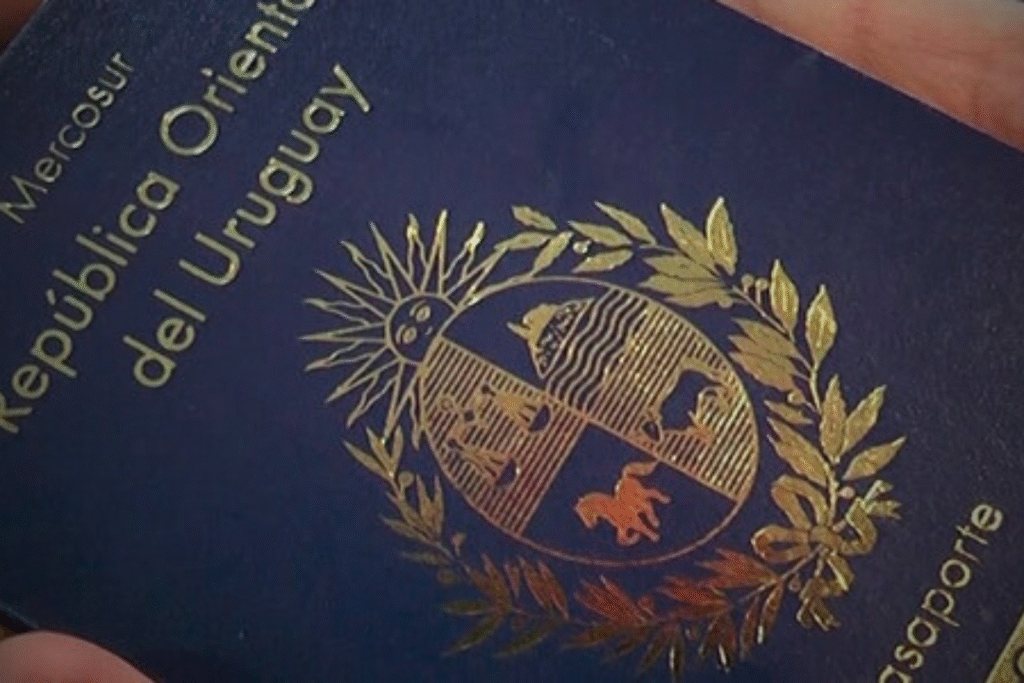
Are you thinking about moving to Uruguay? This interests you
Have you ever dreamed of living in a country with incredible beaches, a stable society, and an excellent quality of life? Uruguay could be that place you’re looking for. But do you know what the differences are between obtaining temporary and permanent residency? The confusion between both options can cost time, effort, and even opportunities.
I’ll tell you that recently I met Carlos, a Colombian entrepreneur who arrived in Montevideo convinced that his Mercosur residency would allow him to work immediately. After three months waiting for a special permit, he understood the difference between “being in process” and “having approved residency” (and he learned the hard way!).
Temporary vs. Permanent Residency: How do they really differ?
Temporary Residency: Your first step on Uruguayan soil
Temporary residency in Uruguay for Mercosur citizens is like having a VIP guest pass: it allows you to stay legally, but with an expiration date. This permit has a validity of 2 years and is designed as a “trial” before committing long-term to the country.
What does it allow you to do?
- Live legally in Uruguay
- Work formally with all labor rights
- Access the public and private health system
- Open basic bank accounts
- Enroll your children in public and private schools
Watch out for this! During the temporary residency process (which can last between 3 and 6 months), you’ll receive a provisional document that is NOT the same as having approved residency. With this provisional document you can remain in the country, but to work formally you’ll need to process a special permit.
Permanent Residency: When Uruguay becomes your home
Permanent residency is like receiving the keys to the house: you’re no longer a guest, but part of the Uruguayan family. It has no expiration date and grants you almost the same rights as a Uruguayan citizen (except voting in national elections).
Exclusive benefits:
- Indefinite stay in the country
- Possibility to apply for Uruguayan citizenship after 3-5 years
- Access to mortgage loans and major financing
- Greater ease in starting businesses
- Option to participate in certain social programs exclusive to permanent residents
Important fact: To go from temporary to permanent residency, you need to demonstrate that you’ve effectively lived in Uruguay during the period of your temporary residency. What does this mean? That you can’t simply show up every six months to “maintain” your residency. Immigration authorities verify your entries and exits from the country.
Comparative table: Temporary or Permanent
| Aspect | Temporary Residency | Permanent Residency |
| Duration | 2 renewable years | Indefinite |
| Processing time | 3-6 months | 4-8 months |
| Permanence requirements | Not be absent more than 6 continuous months | Not be absent more than 3 years |
| Access to social benefits | Basic | Complete |
| Citizenship possibility | Not directly | After 3-5 years |
| Required documentation | Basic + background certificate | More exhaustive |
The Path From Application to Approval: What Nobody Tells You
The Step-by-Step Process (and its Secrets)
Look, the residency process in Uruguay is relatively simple compared to other countries, but it has its particularities. I’ll tell you the real process:
- Initial application and appointment – Currently the system allows scheduling appointments online through the Immigration portal.
- Document submission – Here comes the first secret: although the official list of documents seems short, each document must meet specific requirements. For example, your criminal background certificate must be apostilled and be less than 90 days old.
- Interview and biometric registration – This step is more relaxed than it seems. Officials mainly verify your identity and confirm your intentions to reside in Uruguay.
- Waiting period – During this time (3-6 months for temporary, 4-8 for permanent), you’ll receive a provisional document.
Real story: María, Venezuelan, arrived in Uruguay thinking the process would be quick because she came from Mercosur. She didn’t consider that her documents needed apostille and official translation. This delayed her process almost 2 months. Today, after 4 years, she already has her permanent residency and is processing Uruguayan citizenship.
Practical Life With Residency in Process: Surviving Legal Limbo
You know what’s most complicated about moving to Uruguay? It’s not getting final residency, but navigating that period when you’re “in process.” During these months, you can find yourself in situations like:
- Banks asking you for additional documentation to open accounts
- Employers confused about whether they can legally hire you
- Landlords hesitant to sign long-term rental contracts
Expert advice: As soon as you start your process, immediately request the provisional work permit. This specific document will allow you to work legally while you wait for final approval of your residency.
It’s also useful to obtain a proof of residence certificate at your neighborhood police station. This document facilitates many procedures while you wait for your Uruguayan identity card.
Experiences by Nationality: Not All Paths Are Equal
Although Uruguay has agreements with all Mercosur countries, the reality is that the experience varies according to your nationality:
Argentinians and Brazilians: Usually have the most agile processes due to additional bilateral agreements and geographic proximity that facilitates obtaining documents.
Venezuelans and Colombians: Face additional challenges with apostille and document validation, but have special routes due to humanitarian situations.
Paraguayans, Bolivians, and Ecuadorians: Although the process is standard, they sometimes encounter more delays due to document verification issues.
Did you know there are WhatsApp groups by nationality where they share specific advice for each procedure? These groups are usually more useful than official information because they share real and updated experiences.
Renewal and Category Change: The Second Chapter of Your Story in Uruguay
If you already have your temporary residency, you’ll eventually face two paths: renew it or make the leap to permanent.
To renew temporary residency:
- You must request it between 30 and 60 days before its expiration.
- You’ll need to present proof of activity in Uruguay (work, study, etc.)
- You must update your criminal background certificate
To change to permanent:
- You must demonstrate at least 1.5 years of effective permanence under temporary residency
- Present proof of roots: rental contract, utilities in your name, etc.
- Justify your means of living in Uruguay
Important fact: The change from temporary to permanent is not automatic. It’s a new process that requires demonstrating that you’ve effectively lived in Uruguay and complied with the country’s laws.
Alternatives and Parallel Migration Routes: Beyond Mercosur
What if you don’t qualify for Mercosur or want to explore other options? Uruguay offers several alternatives:
Residency by investment: If you invest approximately 1.5 million USD in properties or businesses that generate employment.
Residency by retirement/rentier: If you can demonstrate stable monthly income from abroad.
Residency by family bond: If you have Uruguayan parents, children, or spouse.
Residency by work: If a Uruguayan company hires you and justifies the need for your specific profile.
Real story: I know the case of Juan, a Chilean professional who couldn’t wait for the Mercosur process times. He found a technology company that hired him and sponsored his work residency, reducing waiting times by almost half.
Support Resources and Community: You’re Not Alone
The path to Uruguayan residency may seem lonely, but there’s more support than you imagine:
- Facebook groups by nationality: “Colombianos en Uruguay,” “Argentinos en Uruguay,” etc.
- Consulates of your country: Offer free specific advice for their citizens
- NGOs like SEDHU: Provide free guidance in complex cases
- Lawyers specialized in immigration: If your case has complexities, the investment may be worthwhile
Which option is better for you?
The decision between temporary and permanent residency depends mainly on your future plans:
Choose temporary if: You want to “try” life in Uruguay before committing, you plan to stay less than 3 years, or you’re not sure if you’ll meet the effective permanence requirements.
Aim directly for permanent if: You have clarity about your desire to settle long-term in Uruguay, you can demonstrate stable means of living, and you’ll meet the effective permanence requirement in the territory.
Final Reflection: Beyond the Papers
At the end of the day, obtaining Uruguayan residency is not just a bureaucratic procedure, but the beginning of a new life. Uruguay is a country that values tranquility, respect, and order. Adapting to its pace and customs is as important as having your papers in order.
As an immigration officer once told me: “We don’t just want residents, we want new Uruguayans who love and respect our country as much as we do.” And that phrase perfectly summarizes the spirit of Uruguayan immigration policy.
Taking the step toward a new life in Uruguay can be one of the most significant moves you make. Whether you choose the temporary or permanent route, remember that the true value lies in the life experience you’ll build in this land of opportunities.
Are you ready to begin your Uruguayan adventure?
- October 8th, 2025
